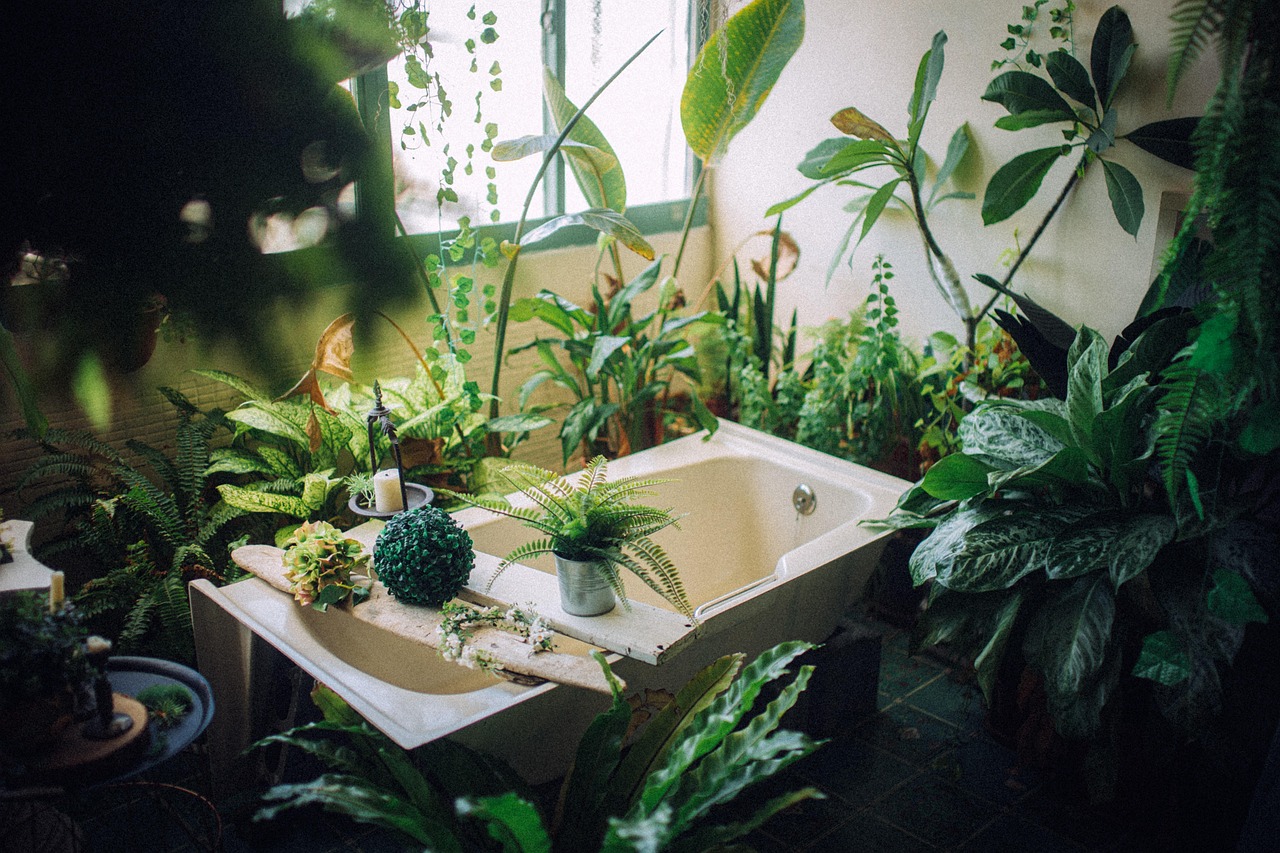
Bathtub installation in Palo Alto, CA covers replacing a worn, chipped or outdated tub with a new one, from a practical alcove tub-shower combo to a deep soaking tub or a sculptural freestanding model. It’s for Palo Alto homeowners whose tub is cracked, rusting, uncomfortable or simply out of place in a remodeled bathroom. We handle the old tub’s removal, any plumbing changes, the new tub and the walls and fixtures around it. The result is a tub that fits the room, the way you bathe and the rest of the bathroom’s design.
What Bathtub Installation Involves
- Removing the old tub, which may mean cutting it apart if it’s cast iron or steel.
- Inspecting the floor and framing beneath for water damage.
- Plumbing updates, including a new drain and overflow and, often, a new valve.
- Setting the new tub level and properly supported.
- Building the surround, whether tile, solid panels or a tiled deck for a drop-in tub.
- Installing fixtures, such as tub fillers, shower valves and handheld sprays.
Signs It’s Time for a New Tub
- Chips, cracks or rust in the tub surface.
- A tub that flexes or creaks when you step in, a sign of poor support.
- Leaks around the drain or staining on the ceiling below.
- A tub too shallow or short for comfortable soaking.
- A step-over height that has become difficult to manage.
- A dated color or style that doesn’t fit an updated bathroom.
Why Tubs Wear Out
Tubs take daily abuse from water, cleaners and impact. Enamel chips and lets rust form on steel and cast-iron tubs. Fiberglass tubs crack if they weren’t fully supported underneath when installed. Over decades, seals around drains and the joint between tub and wall break down, letting water reach the floor and framing. In older Palo Alto homes, original tubs may also be sized for rooms and habits that have changed.
Choosing the Right Tub
- Alcove tubs fit between three walls and work well as a tub-shower combination.
- Drop-in tubs sit inside a built deck, with room for tile and ledges.
- Freestanding tubs stand on their own for a focal point, best suited to larger bathrooms.
- Soaking tubs are deeper for full-body soaking, available in alcove and freestanding styles.
- Walk-in tubs have a door and seat for easier entry.
Materials include acrylic, enameled steel, cast iron and solid-surface or stone resin, each with different weight, warmth and durability.
The Installation Process
- Consultation and measurements, including doorways and stairs the tub must pass through.
- Choosing the tub, surround and fixtures.
- Permit, if the scope requires one.
- Removal of the old tub and inspection of what’s underneath.
- Plumbing and framing work, including support for heavy tubs.
- Setting the tub, building the surround and installing fixtures.
- Sealing, cleanup and a walkthrough.
What Affects the Cost of Bathtub Installation
- Tub type and material, from standard acrylic to cast iron or stone resin.
- Removal difficulty of the old tub.
- Plumbing changes, such as moving the drain for a freestanding tub.
- Surround material, whether tile, solid panels or a built deck.
- Floor and framing repairs discovered during removal.
- Access, especially for heavy tubs and upper floors.
We provide a firm quote after a free in-home visit.
Replace the Tub or Convert to a Shower?
If nobody in the household uses the tub and another bathroom has one, a shower remodel that converts the tub into a walk-in shower often makes better use of the space. If you enjoy baths, have young children or want to keep a tub for future buyers, replacing it with a better-fitting model makes sense. For the rest of the room, see vanity installation.
The Risk of Delaying Replacement
A cracked tub or failing drain seal lets water reach the subfloor and framing a little at a time. By the time stains or soft spots appear, the damage may extend well beyond the tub. Replacing the tub before that happens keeps the repair contained.

Related services in Palo Alto